The Artist: Amitis Motevalli
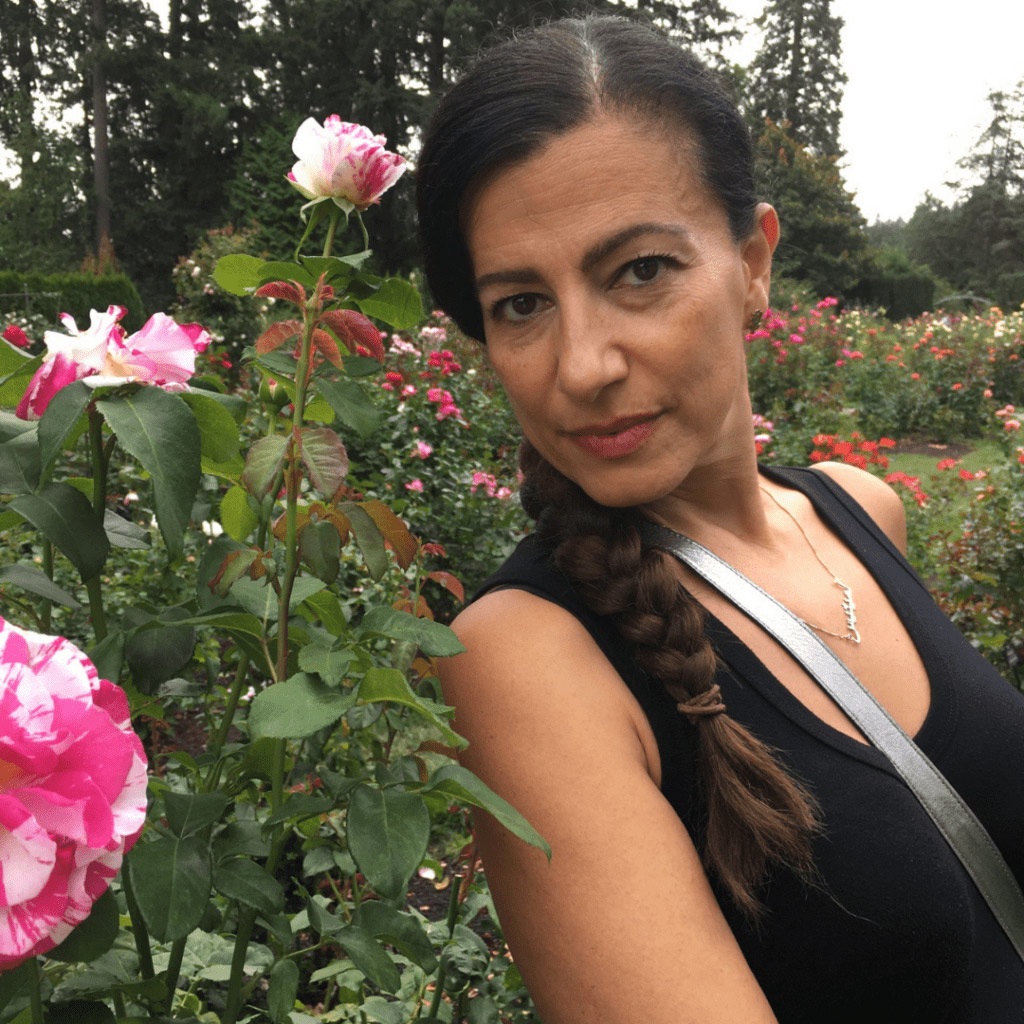
I have long had an interest in the portrayal of individuals originating from South, Central, and West Asia, as well as North and East Africa, particularly within the contexts of the United States and Europe. A significant portion of my early career was dedicated to creating artworks that responded to these external perceptions. However, at a certain juncture, I resolved to produce work that addressed the lived experiences of those individuals whom these perceptions misrepresented.
In 2009, I became acutely aware of the narratives surrounding the events unfolding in Iran. I had the opportunity to travel to Iran to vote and engage in the electoral process, motivated by the hope for substantive change. Following the rigged elections, widespread protests erupted, prompting a government crackdown. The subsequent year, I was invited to hold a solo exhibition commemorating the one-year anniversary of those elections. Drawing upon my extensive experience in organizing and collaborating with revolutionary movements in the United States and my focused research on global revolutionary movements, I established connections with other movements that had endured similar traumas during electoral processes. I employed a common Iranian aesthetic in my art, taken from Shia street and populist art, to represent the Student Nonviolent Coordinating Committee (SNCC) during the Freedom Summer. This culminated in presenting the first-ever Farsi translation of Fannie Lou Hamer’s speech from the 1961 Democratic National Convention on the exhibition’s window. For this piece, viewers outside of the window could watch me write her speech in gold ink, backward so it could be read from the outside.
The following year, I fervently followed various uprisings collectively termed the “Arab Spring.” I closely researched these movements, noting how they were subject to external intervention, co-optation, and ultimately transformed into an automated manifestation of the so-called “War on Terror.” The world collectively watched as organizations such as Al-Qaeda and ISIS, well armed, engaged and engaging in actions that the U.S. and its allied military forces could not undertake.
In 2012, I was awarded the Danish International Visiting Artist (DIVA) residency to work in an ethnic enclave in Denmark. The neighborhood in which I resided, like many others, faced constant aggression from neo-Nazi groups. The residents, who had fled war and poverty, were systematically denied the right to practice their religion and faced discrimination in educational institutions, often relegated to menial employment. During this time, I observed the direct and opportunistic recruitment efforts by ISIS.
I recruit a Third World feminist perspective to respond to the narratives surrounding the uprisings that were co-opted into automated civil wars. In 2014, I began to follow the case of what was referred to as Europe’s first female suicide bomber, which inspired my Golestān Revisited project, evolving into a comprehensive multimedia endeavor. My focus shifted from responding to engaged occupation and warfare—whether through direct combat, media propaganda, or everyday interactions—to fostering connections within my community and initiating projects centered on reparations.
About Roses by Other Names

In 2015, I started work on Golestān Revisited, a multi component project cycle which is an act of reparations by renaming roses stolen during the “Crusades” as a memorial to Women, Girls and Femmes martyred during the “Neo-Crusades”. I use the term “martyr” here not in a western context, connoting agency or choice, but in the regional context as victims of war. I was initially sparked by the story of Hasna Aït Boulahcen, who was implicated in the Paris Bataclan nightclub bombing in 2015 and subsequently labeled “Europe’s first female suicide bomber.” I was in the Rose Garden at the Huntington Library when I received an alert suggesting that she may not have been a suicide bomber and might not have been involved in the attacks. The news included an audio recording of Hasna pleading for her life while in an apartment with her cousin and another man who may have been involved in the Bataclan attack. During her interaction with police, gunfire and an explosion were heard. It became evident that neither the men in her home nor the police prioritized her survival. The emotional impact of listening to that recording was profound, encapsulating much of what I had observed over the years of conflict, particularly following the rebellions. As I walked through the gardens, I felt a surge of anger upon reading the names inscribed on the placards beside the roses. This moment spurred deeper reflection; since these hybridized roses bore origins from my homeland and its neighbors, I believed that they should be named in honor of the numerous women who have been killed in the ongoing “War on Terror” and its various manifestations.
The Essence of the Rose in this Project
Roses are a robust and essential object of imperialism in my framework of decolonization and liberation. My very first bath was in rosewater and they have always held significant meaning for me, as they are integral to our culinary traditions and medicinal practices. Their association evokes a sense of home and familial connections, reminding me of celebrations, funerals, and other rituals. For millennia, roses have been utilized by family healers and perfumers. They serve multiple purposes: as a cosmetic astringent, a diuretic, and an anti-inflammatory, while also uplifting spirits and alleviating grief, depression, premenstrual syndrome, and menopausal symptoms. The tea derived from both the petals and rose hips has been employed for sore throats and colds, while rose water finds application in various beverages and dishes. The renowned physician, polymath, and scientist Ibn Sina (Avicenna) documented these benefits extensively.
I frequently visited rose gardens, particularly with my mother, and was always curious about the significance of their names. I often pondered why the roses did not possess the same fragrance as those in Iran, as European cultivars could never replicate the aroma.
Much of my aesthetic sensibility has been shaped by Iranian and Islamic art, wherein roses feature prominently across literature and visual arts. Throughout the region—encompassing Iran, India, Pakistan, Afghanistan, Iraq, Syria, Palestine, Lebanon, and beyond—roses serve as potent metaphors.
Roses in Historical Context
My research has revealed that roses were introduced to Europe from Damascus during the Second Crusade. The French endeavored to hybridize these roses to achieve a comparable scent when planted in Europe, yet their attempts were ultimately unsuccessful. Despite this, they continued to hybridize, producing numerous variations and establishing a distinct rose culture. Europeans began to utilize roses for perfumes and medicinal purposes, often crediting themselves as the originators of these resources, which were indigenous to the lands they had invaded and plundered during the Crusades.
The nomenclature surrounding roses was largely established during the Enlightenment period. It was during this time that much of the resources plundered during the Crusades and Reconquista invasions and occupations were becoming available to more of the aristocracy of Europe. While hybridization predates the Crusades, the full experiment with non-indigenous plants and resource appropriation were not recognized in Europe until the late 17th century.
Initially, hybridizers named roses after themselves or their relatives. Subsequently, commissioned roses began to bear the names of nobility, royalty, and celebrities, with Josephine Bonaparte among the first to commission roses named after herself, her spouse, and members of her court and nobility.
Roses have also adopted symbolic meanings within European and American contexts. The maintenance of colonial legacies is often perpetuated not through overt violence but through collective engagement in celebratory, leisurely, and aesthetically pleasing activities. This engagement fosters a form of neo-colonialism, devoid of explicit malice, yet rooted in the idealization of paradisiacal landscapes. Poetry frequently references roses, which have become emblematic of various royal lineages, connoting prestige. In the United States, roses symbolize access to land and leisure, historically enticing European settlers to occupy new territories as part of the doctrine of “Manifest Destiny.” The Rose Parade, in particular, represents a notable commercial initiative aimed at encouraging migration from the Midwest to Southern California, where roses can flourish year-round.
Universally, roses symbolize gestures of love, though their thorns remind us of heartache and struggle.
Currently, the cultivation and commercial production of roses represent a significant industrial enterprise, generating substantial revenue, particularly for those harvested for the floral trade. The market for garden roses also contributes to their status as markers of high society and European cultural identity.
In this project, I have undertaken the renaming of roses as a form of resistance and a small practice of reparations, honoring women, girls, femmes, and non-masculine individuals of diverse ages, religions, and backgrounds who have become martyrs (again, used in the regional context) as a consequence of these “neo-crusade” conflicts.
Roses by Other Names: the Martyrs
These martyrs, most commonly victims without agency, hail from various regions, specifically related to conflicts in South, Central, and West Asia, as well as North and East Africa. Regionally, the term martyr has been used to describe people who have been killed in conflict, whether they chose to engage or not. It is in particular used in reference to “religious” wars and genocides. Additionally, I document the experiences of martyrs in transit, fleeing conflict due to famine, health crises exacerbated by warfare and sanctions, domestic violence as a byproduct of war, and suicides stemming from these circumstances. I also address “war”-related deaths within the diaspora, including those resulting from bullying or hate crimes, and acknowledge the fatalities of women not indigenous to these lands yet affected by the ramifications of war. The documentation encompasses deaths at the hands of colonial oppressors and those who vigilantly align with these oppressors, including groups such as Al-Qaeda, ISIS, ISIL, and Al-Shabaab. Some of the roses are named after femmes who are recognizable like 6 year old Hind Rajab pleading for her life while Isreali Military tanks surrounded her and her sister in Gaza, or 19 year old LaVena Johnson a US soldier in Iraq who was raped and mutilated by another soldier while in her bunker, to women who would otherwise never be recognized internationally and sometimes not even locally.
The names of the martyrs are derived from research and translation, with spelling variations often encountered. For women whose names remain unknown due to cultural practices, I designate the rose as “Unknown Woman” or employ other means of honoring them without contravening the beliefs of their communities. Transgender individuals are referred to by their chosen names, and some women who have adopted “stage” names are noted in the text but not included in the labeling.
Most narratives surrounding these women are based on the circumstances of their deaths, as this constitutes the primary information available. If additional details regarding their survivors or lives are accessible, I incorporate that information. It is important to note that some martyrs have contested histories and may have been accused of perpetrating violence against others; however, I maintain a presumption of innocence in the absence of conclusive evidence.
A Collaborative Endeavor
My research encompasses a diverse array of sources, including online databases, news reports, and discussions with journalists, as well as social media platforms such as Instagram, Twitter, YouTube, and Facebook. Furthermore, I have engaged directly with kin and survivors, traveling to various countries to observe and converse with individuals directly impacted by the consequences of war and its attendant threats, including sanctions, environmental degradation, famine, and internal strife. Collaboration, rather than the extractive gesture that echoes the stealing of roses from their indigenous regions, is essential to my practice. I have also conducted extensive research on roses in numerous countries, exploring their indigenous origins as well as their colonial cultivators. My project would not have been possible without the assistance of many friends and colleagues, in particular Mahin Emrani, Maryam Hosseinzadeh, Fiona Brown, Parisa Parnian, Nazila Noebashiri and the design of the database by the serendipitously named Alicia St. Rose.
Roses By Other Names is a project by artist Amitis Motevalli with support from Creative Capital.